In Canada, the official 2020 ‘inflation’ rate was 1.95% or, as I like to think about it after adding inflation to that number – it makes it an even 2%. But, of course, the official inflation rate has always been a lie or, better put, a generalized guess at some fictitious household lifestyle cost that seems to vary monthly and with your location. This time is no different. The cost of living in Canada is likely to be higher in 2021 and will only get higher again after the economy gets back on track.
Why is it a ‘lie’? Well, the basket of goods the government uses is very unlikely to reflect the actual basket of goods you or I purchase. Generally speaking, we all face different costs in life. Also because housing, transportation and food make up the three largest components in the theoretical basket and all three have been rising significantly more than 2%. In BC and Ontario housing costs factor in even more hugely and they have also risen more hugely this past year. As has gasoline which seems to defy the laws of supply and demand.
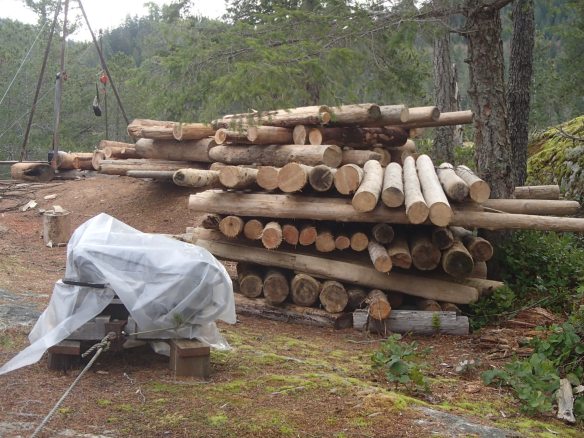
Put more succinctly: everything I buy is more expensive except my shelter. That’s paid up. But I like to do small building projects and that requires wood and wood, of all things, has literally doubled in price this year…tripled when it comes to plywood. Wood is now so expensive people are NOT doing little projects like sheds and decks.
Canadians are, of course, driving less under Covid restrictions but gasoline prices have remained high. It is $1.42 a liter in Campbell River or approximately $5.50 a Canadian gallon. In Phoenix, Arizona, the price per US gallon is US$2.80 a gallon. That is not a fair comparison, however. The US gallon is 4/5’s the size of a Canadian gallon and the Canadian dollar is worth approximately US$ 0.70. I am just estimating/guessing but factoring in exchange and gallon size, the American driver pays maybe C$4.25 cents for the same gallon that we pay almost $5.50 for. Whatever the math, we pay more than they do. ‘Course, we pay more for food, too. And they pay considerably less for housing as a further bonus.
“Why state the obvious?”
Well, both Canada and the US have infused the economy with massive cash bailouts and other stimulus for their economies. That’s heaps more debt to pay off and so taxation will go up. Taxation is not separately included in the basket of goods sample. In addition, the world is in economic turmoil right now and the capitalist mindset is to gouge when the gouging is good. And it seems pretty good-for-gouging on the gas, house, lumber, food front. I think our real cost of living increase in 2021 will be closer to 5-6%.
There are some offsets to that way of thinking. Dining out will remain depressed. And dining out is a big component of the urban Canadian lifestyle. And that change in behaviour will translate through all aspects of the consumer product sales world. We will spend less on discretionary purchases. Travel has also been curtailed so that may compensate for the price of gas – we just drive less, too. Still, all things considered, I think our cost of living will increase, our taxes will increase, our economy will suffocate and the Canadian dollar will drop. None of that – if true – bodes well for the next couple of years.
How do we cope with that restricted lifestyle? I don’t know. I don’t quite live that lifestyle anymore, anyway. I already do NOT go to restaurants, fly to foreign places, drive all over the place and/or spend-for-convenience. But I do build sheds and I will likely continue to do that sort of thing if I can (I am planning at least one more). I do not think my life will change too much. But it will change in a few places that will hurt. Car travel to see my grandkids will lessen (it already is down to about maybe four times a year). Snowbirding seems out of the equation for awhile. Wine consumption is up. Taxes for next-to-nothing will go up.
If I summarize this blog into a punchline, it would be: “We’ve been punched and punched hard. We are still reeling from the blow. Can we get our head/economy/health clear and focused before the next blow comes? Or do we take a double whammy?”


 Our Off the Grid Home